AVA Journal
Facelift Revision ② Widened Scars: Why Does Cutting Out the Scar Alone Make It Bigger? (Explained by a Plastic Surgeon)
After a facelift, has the scar in front of or behind your ear healed as a wide, visible band rather than a thin line, or stayed noticeably red? And have you ever thought that the fix might simply be cutting out that scar and re-stitching it?
The short answer is that this can actually be a risky choice.
This is the second post in the facelift revision series, covering why facelift scars widen and why "just cutting out the scar" doesn't solve the problem, from a plastic surgeon's perspective. It shares the same underlying cause as the pixie ear issue covered in Part 1.

Why do scars widen?
The key factor is the same as in the last post: whether tension is landing on the skin itself.
A facelift works by lifting the SMAS, the deep supportive layer beneath the skin, so that the SMAS bears the weight that gravity would otherwise pull downward. When this principle is followed properly, almost no pulling force reaches the skin incision, and the scar heals as a thin line.
But if the SMAS doesn't adequately absorb that force, the tension lands directly on the skin incision instead.
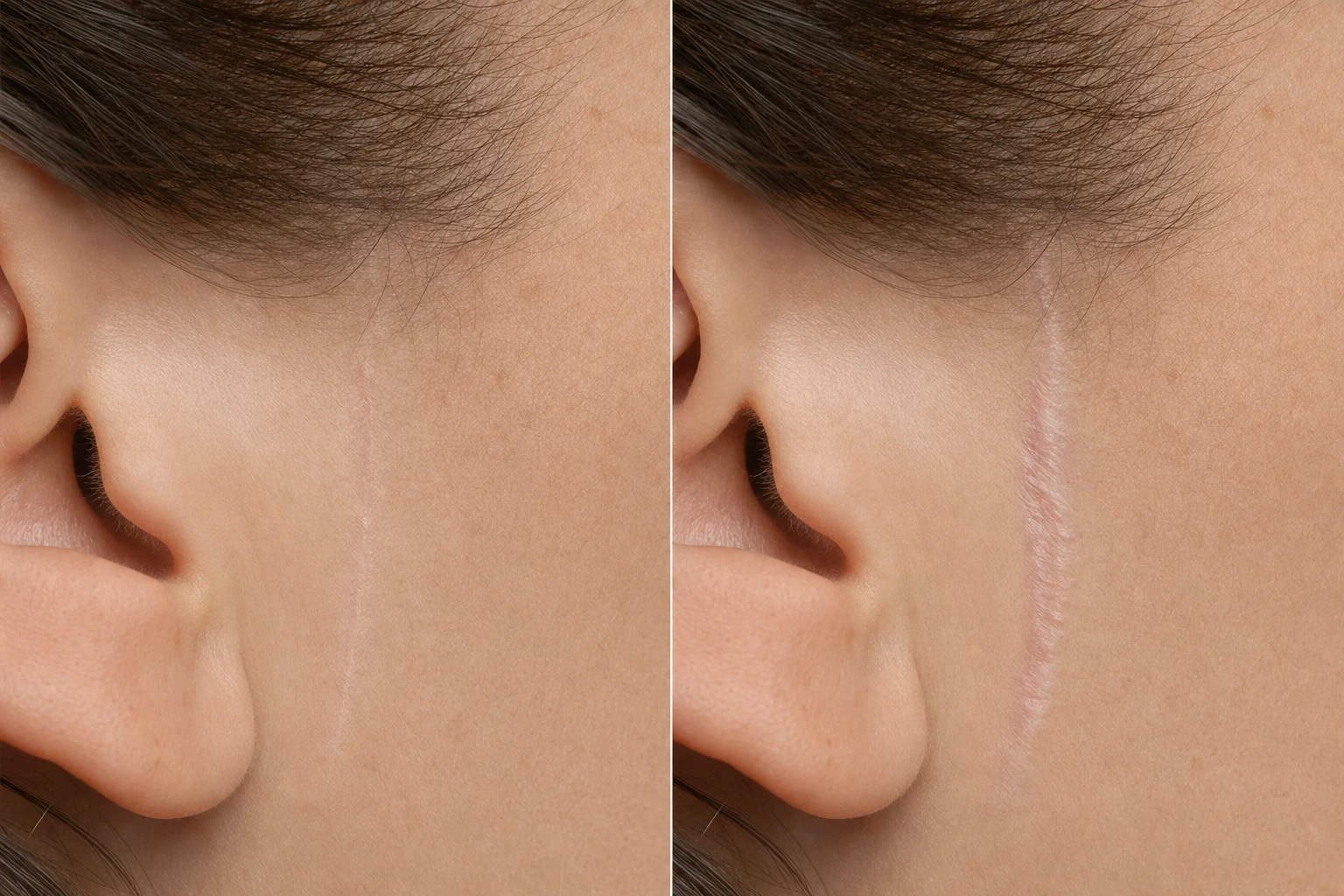
As the incision heals, the line keeps getting pulled from both sides, which is what causes it to widen and become raised and visible.
Why is "just cutting out the scar" risky?
The most unfortunate scenario is treating a widened scar by simply cutting out the scarred portion and re-stitching it. I strongly advise against this approach.
The root cause of a widened scar is tension on the skin. If that tension is left unaddressed and only the skin is re-cut and closed, the exact same tension lands on the new incision line. The result isn't just a bigger scar. It makes the problem significantly harder to fix going forward.
If the original surgery didn't lift enough and left some slack in the skin, the scar itself might look somewhat improved in isolation. But that's really just re-cutting the skin without properly addressing the underlying lift. The face is still sagging, and now there's simply a longer visible scar on top of it. There's no way a patient would be satisfied with that outcome.
So how should this actually be corrected?
The direction is clear. The goal isn't to erase the scar, but to reverse the underlying cause that created it.
Properly correcting a widened scar means accurately identifying the cause again, addressing it at the source, and using every available means to eliminate the tension being transmitted to the skin. In practice, that means a proper facelift revision is essentially the only real option.
In a revision, the SMAS is dissected thoroughly once more and repositioned correctly, which eliminates the tension that was pulling on the skin in the first place. Once that tension has been fully resolved and the widened scar is revised and closed, the result can be refined down to a faint mark that's difficult to notice in everyday life.
Depending on the individual case, fully releasing the tension on the skin may require fairly extensive dissection. That's why scar reconstruction isn't a procedure focused narrowly on the scar itself, but one that reassesses the structure of the entire face.
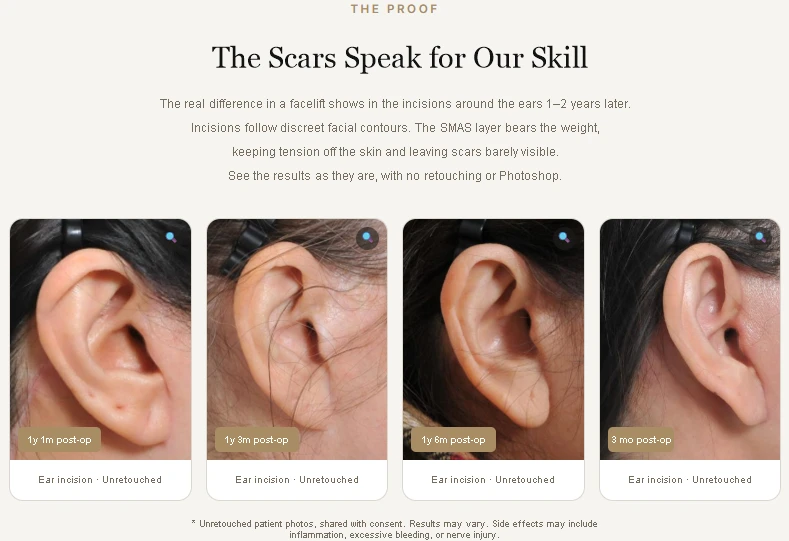
Even a widened scar, once its underlying cause is properly addressed, can end up healing this faintly.
Revision surgery requires more precision than the first procedure
Reopening tissue that has already been dissected once and has developed scarring requires a level of precision in dissection and structural repair well beyond a first facelift. That's why reconstruction always starts with an accurate diagnosis of the underlying cause.
If you've been left with a widened scar after a facelift performed elsewhere, it's worth getting an accurate diagnosis of the cause before having any further work done on the scar itself. Taking the wrong approach can make it significantly harder to correct later on.
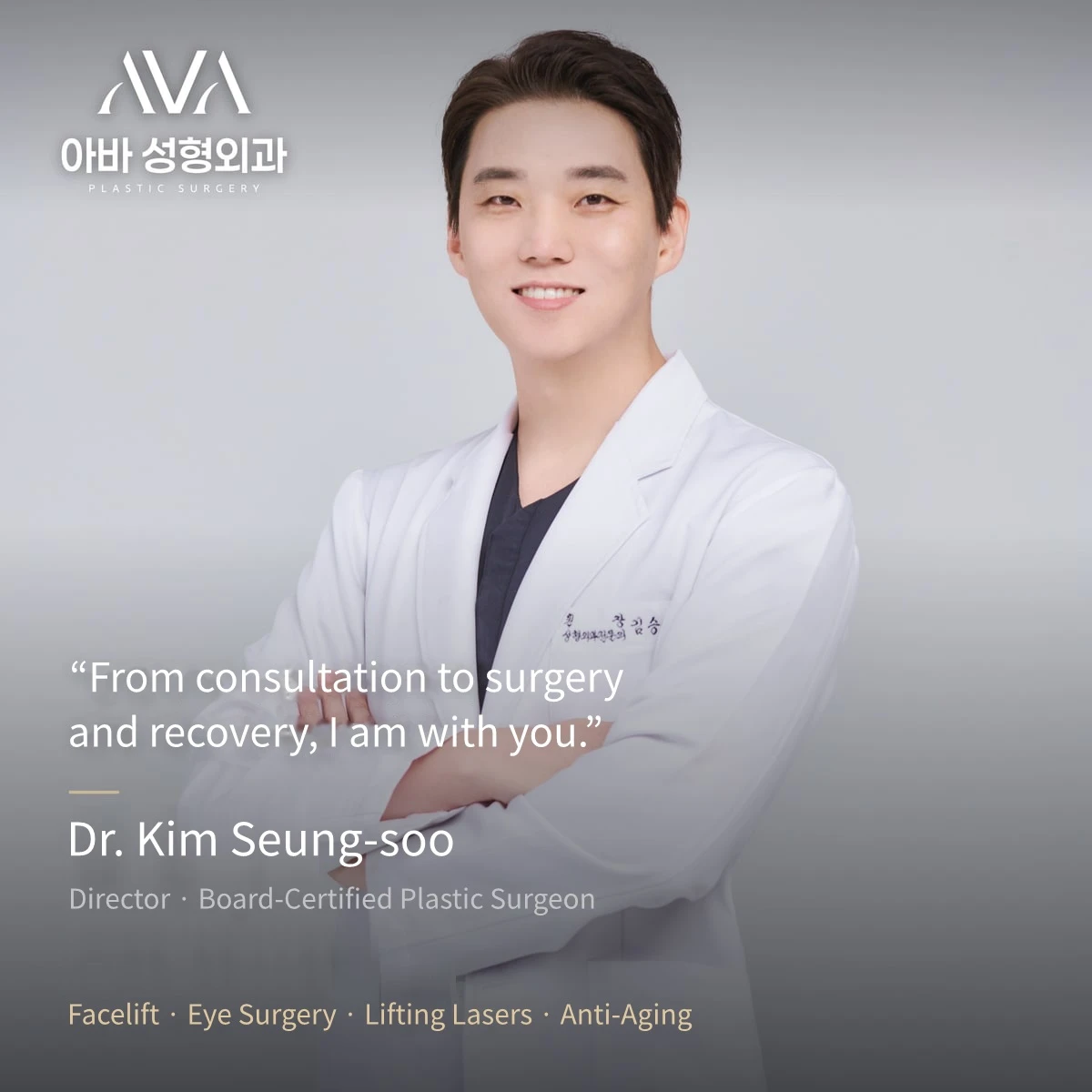
At AVA Plastic Surgery, Dr. Seungsoo Kim personally oversees every case from consultation through surgery and recovery.
🕙 Weekdays 10:00 AM–7:00 PM · Sat 10:00 AM–5:00 PM · Closed Sundays and public holidays
📞 Reservations & consultations: 02-545-1882
🔗 Website
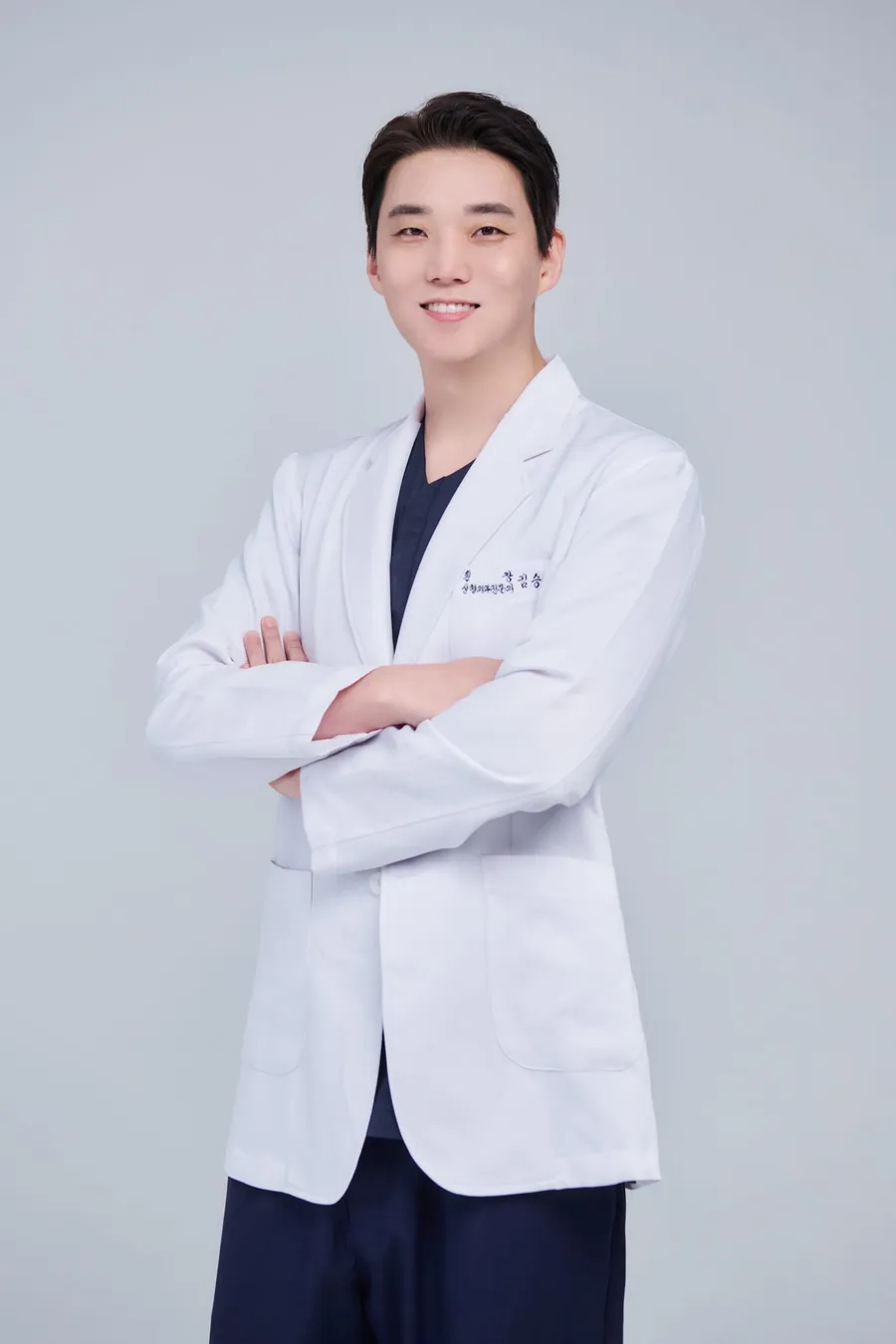
Dr. Seungsoo KimBoard-certified plastic surgeon · AVA Plastic Surgery, Seoul · 6 international journal publications