AVA Journal
Dr. Seungsoo Kim’s Facelift 101: Effects, Surgical Method, Recovery, and How is it different from Non-surgical Lifting Procedure
What is a facelift?
As people age, our facial line starts to descend including not only the skin but the underlying SMAS (superficial musculoaponeurotic system) and fat layers. But if you receive lifting treatment that targets the skin-layer alone, it will create unnatural results with limited duration.
A facelift repositions and fixes the sagging SMAS/deep tissue layers, allowing the skin to be re-shaped without unnatural tension. So, the goal of facelift surgery should be about restoring tissue to its natural position rather than aggressive pulling.
How is it different from thread lifting or EBD lifting (HIFU/RF)?
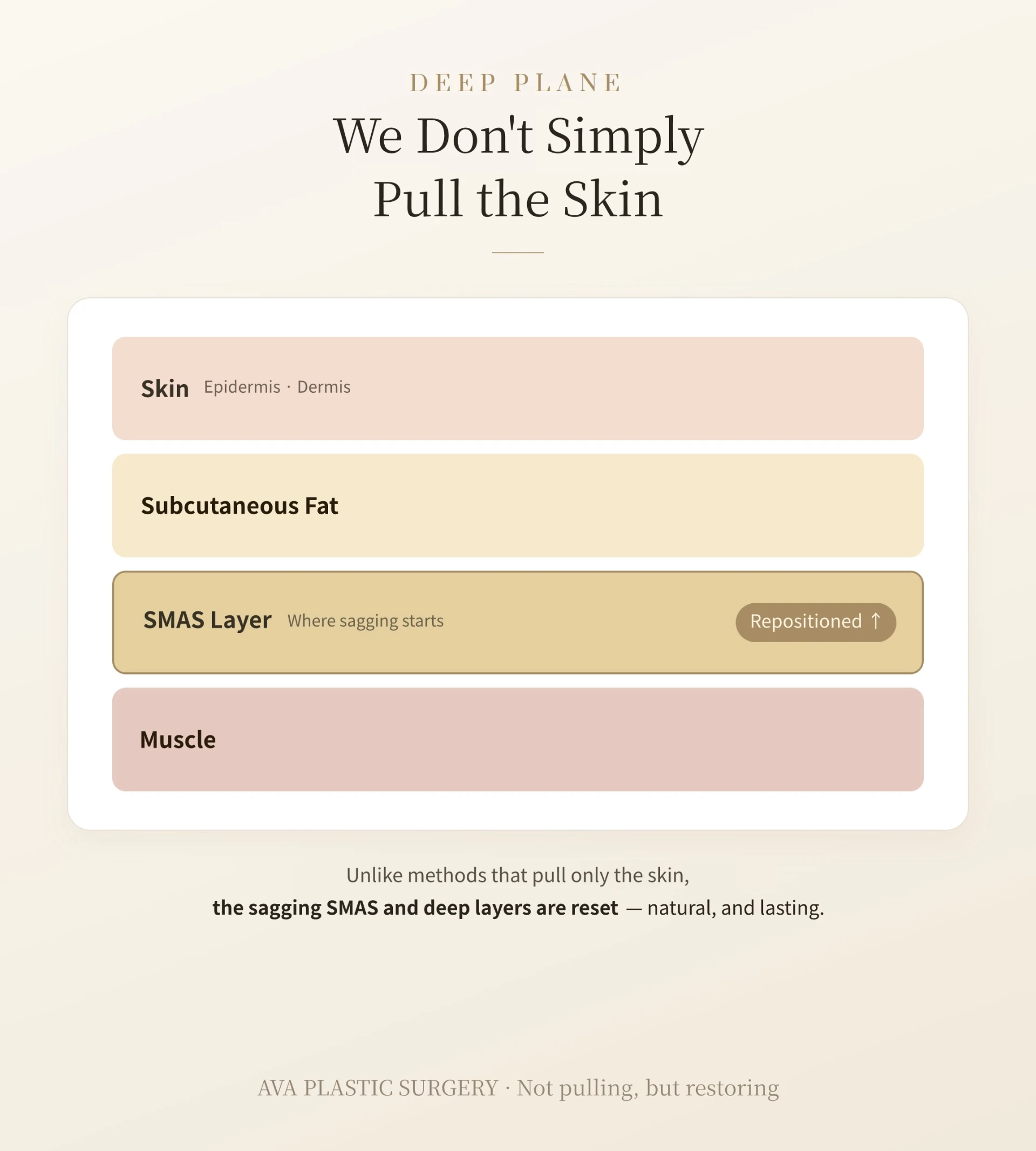
Non-surgical lifting (threads, Ultherapy, Thermage): typically considered ‘maintenance treatment’ for early skin sagging or minimal reduction in elasticity
Facelift (surgical): Suitable for more prominent sagging and jowling, directly repositioning deep tissue layers
The choice depends on degree of skin sagging and one way is not superior to the other. In many cases non-surgical method is enough for early skin sagging.
Who is a best candidate for facelift?
Noticeable sagging on the cheek and jowling with deepened nasolabial folds and marionette lines
Reduced jawline definition and loosened jaw-to-neck line
Insufficient improvement from non-surgical lifting
Sagging patterns and skin condition vary by individual; so candidacy for surgical procedure should be determined through in-person evaluation.
Surgical process
Incision will start around the ear to lift and fix the sagging SMAS layer, with excess skin being re-draped. This is typically based on deep plane techniques targeting the deep tissue layer, tailored to each patient's facial structure. Incisions are designed along the natural contours around the ear to minimize visible scar line.
Then, deep-layer dissection is performed to reduce tension around the incision line. This also correlates with minimized scarring.
Recovery period

Swelling/bruising: Most of the swelling typically resolves within 2–3 weeks, while fine settling continues over several months (varies by individual)
Sutures: Removed in multiple follow-up stages depending on incision site condition
Initial tightness and/or stiffness may occur but most resolves within days
Precautions and side effects
Scarring alone the incision line. Extents and recovery period varies by individual
Temporary numbness, swelling, bruising, or asymmetry may occur
Rare surgical complications such as hematoma or infection are possible, so post-operative monitoring is important
Recovery speed and outcomes vary by individual. No surgery can guarantee results, and patients must understand all possible risks before deciding for surgery
Natural Result
One of the biggest reasons why patients are afraid of facelift surgery is that ‘over-pulled’ look. The determining factors for natural outcome are in the surgical design. Not all patients are candidate for the surgery, and if non-surgical method is sufficient, patient should be advised to do those instead.
Why consultation is important
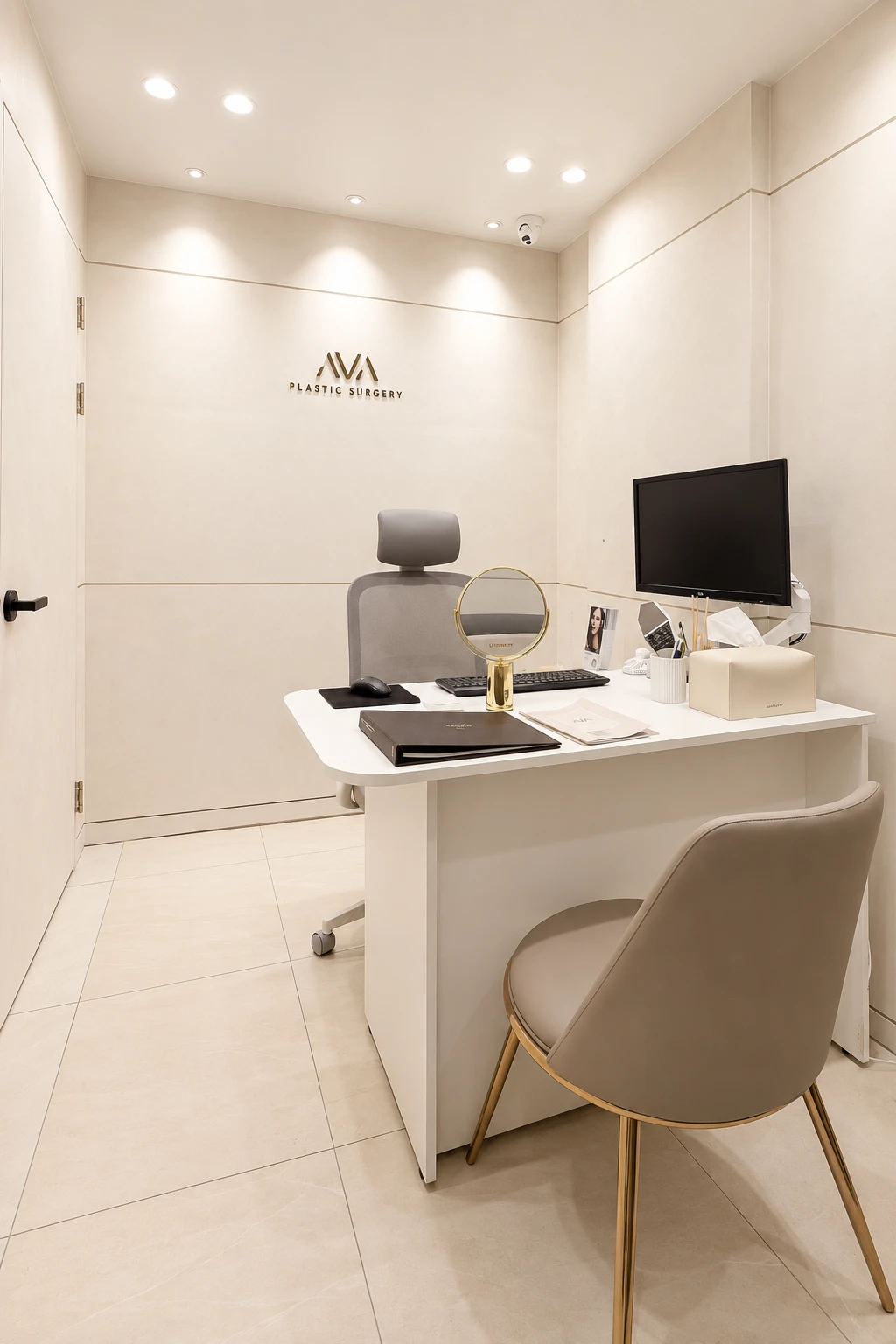
Whether your current status warrants surgery, or could be addressed with non-surgical method can only be determined through in-person evaluation by the board-certified plastic surgeon.
📍 AVA Plastic Surgery Clinic · 4F Insung Building, 603 Gangnam-daero, Seocho-gu, Seoul (1-min walk from Sinsa Station Exit 4)
🕙 Weekdays 10:00 AM–7:00 PM · Sat 10:00 AM–5:00 PM · Closed Sundays and public holidays
📞 Reservations & consultations: 02-545-1882
🔗 Website

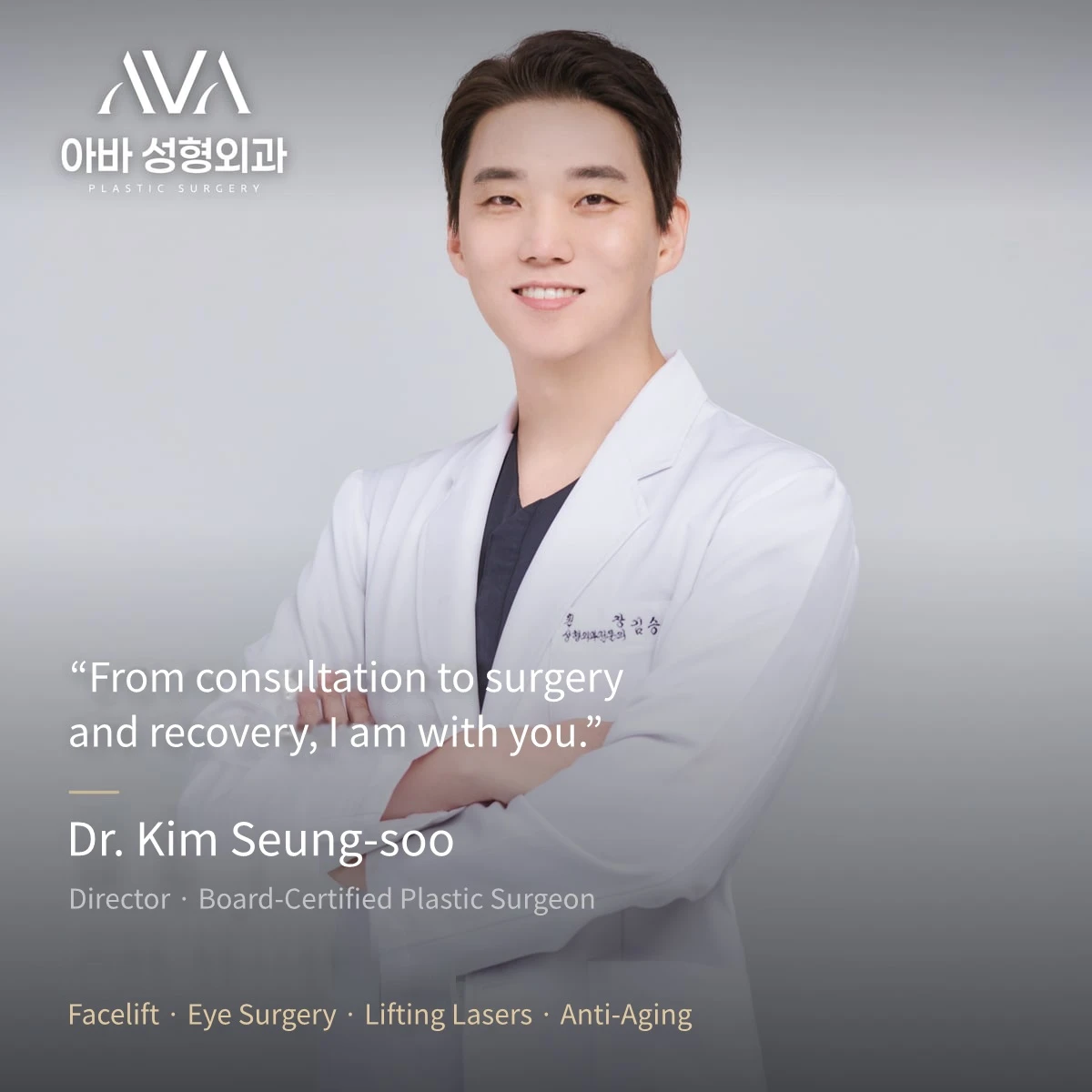
Dr. Seungsoo KimBoard-certified plastic surgeon · AVA Plastic Surgery, Seoul · 6 international journal publications